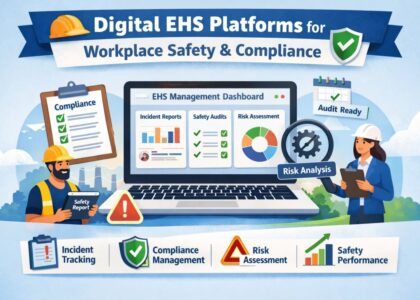
Industrial workplaces such as manufacturing plants, construction sites, oil & gas facilities, and power stations involve many safety risks. Workers handle heavy machines, hazardous materials, electrical systems, and high-risk operations every day. In such environments, managing Health, Safety, and Environment (HSE) is not optional—it is a necessity. An HSE Management System helps industries control risks, prevent accidents, and ensure compliance with safety laws. With growing safety expectations and stricter regulations, many organizations are now moving from manual safety practices to digital HSE management systems for better control and visibility.
What Is an HSE Management System?
An HSE Management System is a structured approach to manage workplace health, safety, and environmental activities. It includes policies, procedures, tools, and responsibilities that help an organization identify hazards, reduce risks, and protect employees, assets, and the environment.
A modern HSE management system is usually supported by software that digitizes safety processes such as incident reporting, risk assessment, audits, permits, training, and compliance tracking. This makes safety management easier, faster, and more reliable.
Why Industrial Safety Needs an HSE Management System
Traditional safety management methods like paper registers, Excel sheets, and manual reporting have many limitations. Important safety information may be missed, delayed, or incorrectly recorded. This can lead to unsafe conditions, accidents, and legal issues.
An HSE management system brings consistency and discipline to safety processes. It ensures that safety activities are planned, monitored, and improved continuously. For industries aiming to reduce accidents and improve safety culture, an HSE system plays a key role.
Key Components of an HSE Management System
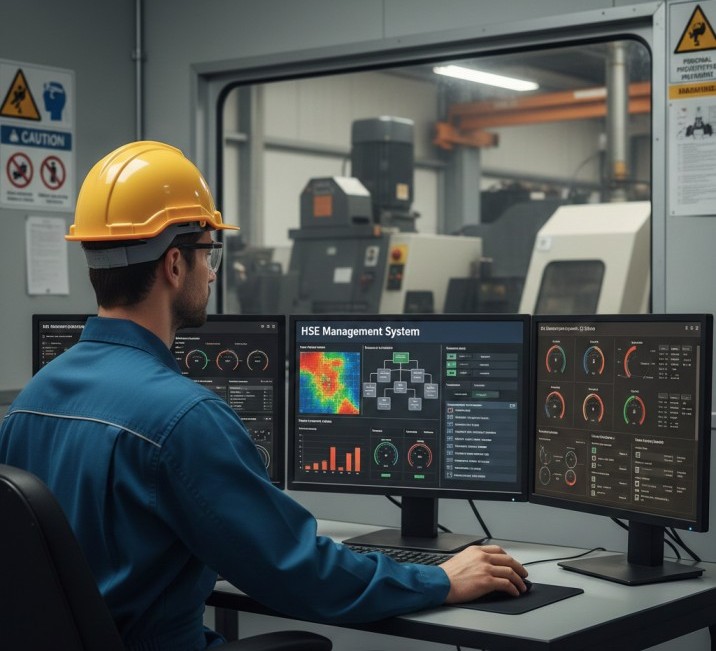
Hazard Identification and Risk Assessment
An HSE management system helps organizations systematically identify hazards present in daily operations, maintenance activities, and non-routine tasks. These hazards may include physical, chemical, electrical, mechanical, or environmental risks. Once hazards are identified, the system supports risk assessment by evaluating the likelihood and severity of each risk.
Based on the risk level, suitable control measures such as engineering controls, administrative actions, or personal protective equipment (PPE) can be defined. The system also allows safety teams to monitor and review these controls regularly, ensuring that risks remain under control and do not lead to accidents.
Incident and Near Miss Reporting
Incident and near miss reporting is a critical part of improving workplace safety. An HSE management system provides an easy and structured way for employees to report incidents, unsafe conditions, and near misses without delay. This encourages early reporting and helps prevent serious accidents.
Reported incidents can be investigated using root cause analysis methods to identify what went wrong and why. Corrective and preventive actions can then be assigned, tracked, and closed within the system, ensuring continuous improvement in safety performance.
Permit to Work Management
Permit to Work management ensures that high-risk activities are carried out safely and with proper authorization. The HSE management system controls permits for activities such as hot work, confined space entry, electrical work, excavation, and working at height.
The system ensures that all safety checks, risk assessments, isolations, and approvals are completed before work begins. It also provides visibility of active permits, helping prevent conflicts between simultaneous high-risk activities and improving overall site safety.
Safety Audits and Inspections
Regular safety audits and inspections help organizations identify unsafe conditions, unsafe acts, and gaps in compliance. An HSE management system supports planned and unplanned inspections using digital checklists and predefined criteria.
Audit findings and observations can be recorded directly in the system, along with photos and comments. Corrective actions can be assigned to responsible persons and tracked until closure, ensuring accountability and timely resolution of safety issues.
Training and Competency Management
Training and competency management ensures that employees have the required skills and knowledge to perform their jobs safely. The HSE management system maintains records of safety training, certifications, inductions, and refresher programs.
The system can alert management when training is due or certifications are about to expire. This helps ensure that only trained and competent workers are assigned to critical tasks, reducing the risk of human error and accidents.
Compliance and Documentation
Maintaining compliance with safety regulations is a major challenge for industries. An HSE management system helps organizations manage documents related to ISO 45001, OSHA, and local regulatory requirements in a structured manner.
Policies, procedures, permits, audit reports, and incident records are stored securely and can be accessed easily during audits or inspections. This reduces the time and effort required for compliance reporting and demonstrates the organization’s commitment to safety and legal compliance.
Benefits of Using an HSE Management System
Improved Workplace Safety
By identifying risks early and enforcing safety controls, the system helps reduce accidents, injuries, and unsafe practices.
Better Compliance
Automated records and reports help organizations meet regulatory and legal requirements without stress.
Faster Reporting and Response
Digital reporting allows quick action on incidents, hazards, and unsafe conditions.
Increased Employee Participation
Simple reporting tools encourage workers to take part in safety activities and report issues without fear.
Data-Driven Safety Decisions
Dashboards and reports provide insights into safety performance, helping management take preventive actions.
Industries we serve


Digital HSE Management System: The Modern Approach
A digital HSE management system replaces paperwork with web and mobile-based tools. Safety officers and workers can access information in real time, even from the shop floor.
Digital systems improve transparency, reduce manual errors, and provide real-time visibility of safety performance across sites. They also support integration with other systems like incident management, permit to work, and audit modules.
Conclusion
An HSE Management System for Industrial Safety is essential for protecting workers, improving compliance, and maintaining smooth operations. It helps organizations move from reactive safety practices to a proactive safety culture. By adopting a digital HSE management system, industries can reduce accidents, improve efficiency, and demonstrate strong commitment to health, safety, and environmental responsibility. In today’s industrial environment, investing in HSE management is not just about compliance—it is about creating a safer and more sustainable workplace.