In today’s fast-moving industrial and business environment, organizations face multiple operational risks every day. From workplace hazards and compliance failures to equipment breakdowns and process inefficiencies, unmanaged risks can directly impact productivity, employee safety, and overall business performance. This is where the Best Risk Management Software becomes a powerful solution for modern organizations.
Risk management software helps businesses identify, evaluate, monitor, and control risks before they turn into serious incidents. Instead of relying on spreadsheets, paper-based assessments, or disconnected systems, companies can use a centralized digital platform to streamline operations and improve decision-making. As industries continue to focus on safety, compliance, and productivity, adopting advanced risk management tools has become essential for long-term operational success.
Understanding Risk Management Software
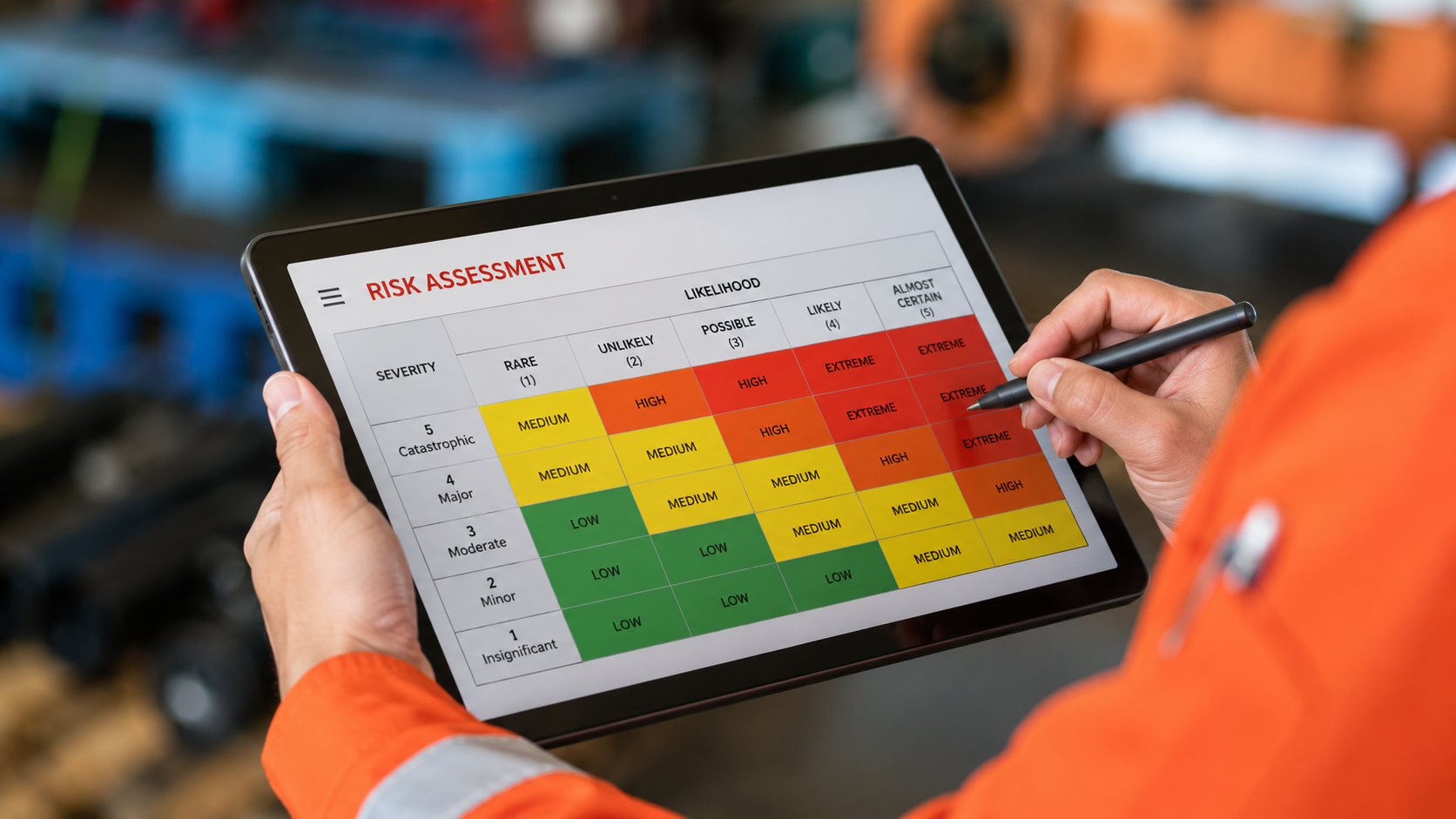
Risk management software is a digital system designed to manage workplace risks, hazards, corrective actions, audits, inspections, and compliance activities in one platform. It helps organizations proactively identify threats and reduce the likelihood of accidents, operational disruptions, and financial losses.
The best solutions often include features such as
- Risk assessment and scoring
- Hazard identification
- Incident reporting
- Corrective and preventive actions (CAPA)
- Compliance tracking
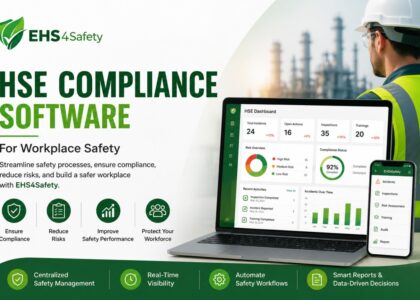
- Real-time dashboards
- Audit management
- AI-based analytics and reporting
- Mobile access for field teams
These capabilities help organizations create a safer and more efficient working environment while improving overall operational performance.
Centralized Risk Data Improves Visibility
One of the biggest operational challenges in many organizations is scattered information. Risk-related data is often stored across emails, spreadsheets, paper forms, and different departments. This creates delays, confusion, and communication gaps.
The Best Risk Management Software centralizes all risk-related information into a single platform. Managers can instantly access reports, corrective actions, inspections, and hazard records from one dashboard. This improves visibility across departments and allows teams to make faster and more informed decisions.
When employees and management have access to accurate real-time data, operational bottlenecks can be identified quickly, reducing downtime and improving workflow efficiency.
Faster Risk Identification and Response
Operational efficiency depends heavily on how quickly organizations can identify and respond to risks. Delayed action can lead to equipment failures, production losses, workplace injuries, or regulatory penalties.
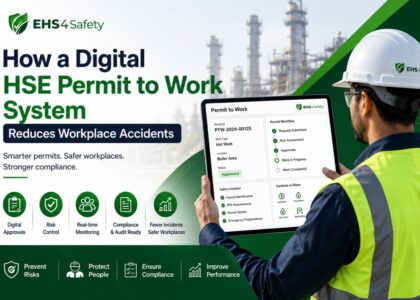
Modern risk management systems provide automated alerts, notifications, and escalation workflows that ensure risks are addressed immediately. Employees can report hazards directly through mobile devices, enabling safety teams to respond faster.
For example, if a machine shows signs of overheating or a safety hazard is identified on the production floor, the system can automatically notify responsible personnel and assign corrective actions. This proactive approach minimizes disruptions and prevents small issues from becoming major operational problems.
Improved Compliance Management
Regulatory compliance is a major concern for industries such as manufacturing, oil and gas, construction, pharmaceuticals, and logistics. Failure to comply with safety and environmental regulations can result in fines, shutdowns, and reputational damage.
The Best Risk Management Software helps organizations maintain compliance by automating documentation, inspections, and reporting processes. The software keeps records organized and audit-ready at all times.
Key compliance benefits include:
- Automated audit scheduling
- Digital checklists and inspection forms
- Regulatory document management
- Real-time compliance tracking
- Automated reminders for pending actions
By reducing manual paperwork and improving compliance monitoring, businesses can save time, reduce administrative workload, and avoid costly regulatory issues.
Enhanced Productivity Through Automation
Employees may spend hours creating reports, tracking corrective actions, and following up through emails or phone calls.
Risk management software automates many of these repetitive tasks. Automated workflows assign responsibilities, send reminders, track deadlines, and generate reports without manual intervention.
Automation improves operational efficiency by:
- Reducing administrative tasks
- Eliminating duplicate data entry
- Improving task completion rates
- Accelerating approvals and investigations
- Streamlining communication between teams
As a result, employees can focus more on core operational activities instead of spending time on paperwork and manual tracking.
Better Decision-Making with Real-Time Analytics
Operational efficiency depends on accurate and timely decision-making. Traditional reporting methods often provide outdated or incomplete information, making it difficult for management to respond effectively.
The best risk management solutions provide real-time dashboards and advanced analytics that help organizations monitor risk trends, identify recurring issues, and evaluate operational performance.
Interactive dashboards can display:
- High-risk areas
- Incident frequency trends
- Corrective action status
- Audit performance
- Department-wise risk scores
- Compliance metrics
With better insights, management teams can prioritize actions, allocate resources effectively, and implement preventive strategies that improve operational efficiency.
Reduced Workplace Incidents and Downtime
Workplace incidents not only affect employee safety but also cause operational disruptions, production delays, and financial losses. A single incident can lead to equipment damage, downtime, legal expenses, and reduced employee morale.
Features such as:
- AI-based risk analysis
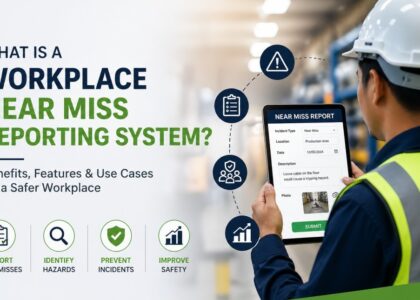
- Near miss reporting
- Root cause investigation
- Safety observation tracking
- Preventive maintenance integration
allow organizations to identify hidden risks before incidents occur.
When incidents decrease, businesses experience fewer operational interruptions, improved workforce productivity, and lower overall operational costs.
Mobile Accessibility Enhances Field Operations
Modern industries require real-time communication between office staff and field workers. Mobile-enabled risk management software allows employees to perform inspections, report incidents, and complete risk assessments directly from smartphones or tablets.
This improves operational efficiency by eliminating delays associated with paper forms and manual data entry. Field teams can upload photos, assign corrective actions, and submit reports instantly from any location.
Mobile accessibility is especially valuable for industries with remote operations, multiple sites, or large field workforces.
Conclusion
Operational efficiency is critical for maintaining productivity, profitability, and workplace safety in today’s competitive business environment. Organizations that rely on outdated manual processes often struggle with delayed responses, compliance challenges, and inefficient workflows.
The Best Risk Management Software provides a centralized and intelligent approach to identifying, managing, and reducing operational risks. By automating workflows, improving compliance, enabling faster decision-making, and reducing workplace incidents, the software helps organizations operate more efficiently and proactively.