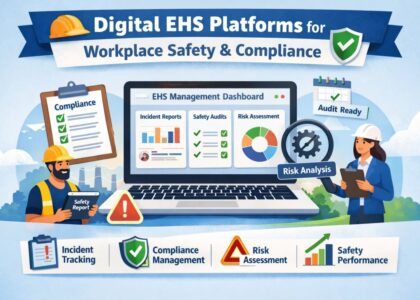
Electronic Permit to Work (ePTW): A Smarter Way to Control High-Risk Jobs
In many industries such as manufacturing, oil & gas, construction, power plants, and chemical factories, Permit to Work (PTW) is a critical safety process. It ensures that high-risk jobs like hot work, confined space entry, electrical maintenance, and work at height are done safely and with proper authorization. Traditionally, these permits are handled using paper forms. However, paper-based permits often lead to delays, errors, and safety gaps. This is where Electronic Permit to Work (ePTW) systems come into the picture. An ePTW system replaces manual paperwork with a digital, automated, and controlled workflow, helping organizations improve safety, compliance, and efficiency.
What Is an Electronic Permit to Work (ePTW)?
An Electronic Permit to Work (ePTW) is a digital system used to create, review, approve, issue, monitor, and close work permits electronically. Instead of filling out physical forms, safety officers, supervisors, and workers use web or mobile applications to manage permits in real time. The ePTW system ensures that all safety checks, risk assessments, approvals, and isolations are completed before work starts. It also provides full visibility of active permits across the plant or site.
Why Paper-Based PTW Is Risky
Paper permits may look simple, but they come with several challenges:
Permits can be lost or damaged
Handwritten details may be unclear
Approval delays slow down work
Difficult to track active permits
No real-time visibility for safety teams
Manual records make audits time-consuming
In emergency situations, paper permits do not provide quick access to critical information, which can increase safety risks.
Features of Electronic Permit to Work (ePTW) System
1. Digital Permit Creation
With an Electronic Permit to Work system, permits are created fully online using standardised digital templates. These templates are designed for different job types such as hot work, confined space entry, electrical maintenance, excavation, and working at height. Mandatory fields ensure that no critical safety information is missed while creating the permit.
The system guides the user step-by-step to enter job details, location, duration, involved persons, tools, and safety precautions. Since everything is digital, there are no issues with unreadable handwriting or missing sections. This helps maintain uniform permit quality across all departments and sites, improving overall safety and compliance.
2. Multi-Level Approval Workflow
ePTW systems support a structured, role-based approval process that matches the organization’s safety policy. Typically, approvals involve the permit requester, area owner, safety officer, and permit issuer. Each role has specific responsibilities and visibility within the system.
Approvals are done electronically with time and date stamping, ensuring complete accountability. Automatic notifications and reminders help reduce delays caused by manual follow-ups. If any safety requirement is not met, the approver can reject or send the permit back for correction, ensuring that no work starts without proper authorization.
3. Integrated Risk Assessment
An effective ePTW system allows hazard identification and risk assessment to be done directly within the permit workflow. Users can identify potential hazards such as fire, electrical shock, toxic exposure, or fall risks and define appropriate control measures.
The system may include risk matrices, predefined hazard libraries, and safety checklists to support better decision-making. By linking risk assessment with the permit, safety planning becomes a mandatory step, not an afterthought. This ensures that risks are evaluated and controlled before work begins, reducing the chances of accidents.
4. Isolation and LOTO Integration
For high-risk jobs involving energy sources, ePTW systems can be integrated with Lockout Tagout (LOTO) procedures. This integration ensures that all required energy isolations are identified, applied, and verified before issuing the permit.
The system can track isolation points, lock numbers, responsible persons, and status in real time. This eliminates unsafe practices such as working on live equipment or relying on verbal confirmation. By digitally linking permits with LOTO, organizations ensure strong control over energy isolation and worker protection.
5. Real-Time Permit Tracking
One of the biggest advantages of ePTW is real-time visibility. Safety managers and supervisors can view all permits that are active, suspended, expired, or closed through a centralized dashboard.
This live tracking helps avoid conflicting permits, such as hot work and flammable material handling in the same area. It also allows quick response during emergencies by identifying who is working where and under which permit. Real-time tracking improves coordination, situational awareness, and overall site safety.
6. Mobile Access
ePTW systems are designed to work on mobile phones and tablets, allowing users to access permits directly from the worksite. Supervisors and workers can view permit conditions, attach site photos, record observations, and update permit status in real time.
Mobile access reduces dependency on control rooms or paperwork and ensures that the latest permit information is always available on the field. This improves communication between safety teams and workers, especially in large plants or remote locations.
7. Audit Trail and Reporting
Every action taken in the ePTW system is automatically recorded, creating a complete digital audit trail. This includes permit creation, approvals, changes, suspensions, and closures, along with user details and timestamps.
These records make internal audits, regulatory inspections, and compliance reporting much easier and faster. Standard and custom reports help management analyze permit trends, identify high-risk activities, and improve safety performance over time. Digital reporting also supports compliance with OSHA, ISO 45001, and local safety regulations.
Benefits of Electronic Permit to Work
Improved Safety
ePTW ensures that no work starts without proper checks, approvals, and controls. Digital validation reduces human error and unsafe shortcuts.
Faster Permit Processing
Approvals happen instantly through notifications, reducing waiting time and improving productivity.
Better Compliance
ePTW systems help organizations comply with OSHA, ISO 45001, and local safety regulations by maintaining accurate and complete records.
Transparency and Control
All stakeholders have visibility into ongoing activities, reducing miscommunication and overlapping hazardous jobs.
Easy Audits and Investigations
Digital records make it easy to review permit history during audits or incident investigations.
Environment Friendly
By eliminating paper, ePTW supports sustainability goals and reduces administrative workload.
ePTW is not just a permit system; it is part of a digital safety ecosystem. When integrated with incident management, risk assessment, audits, and training systems, ePTW helps organizations move towards proactive safety management.
With features like analytics, dashboards, and mobile access, management can identify unsafe trends and take corrective actions before accidents happen.
Conclusion
Electronic Permit to Work (ePTW) is a modern, reliable, and effective solution to manage high-risk work safely. By replacing paper-based permits with a digital system, organizations can improve safety, speed up operations, and stay compliant with safety standards.In today’s fast-moving industrial environment, ePTW is no longer optional—it is a necessity for companies that value worker safety, operational control, and compliance.