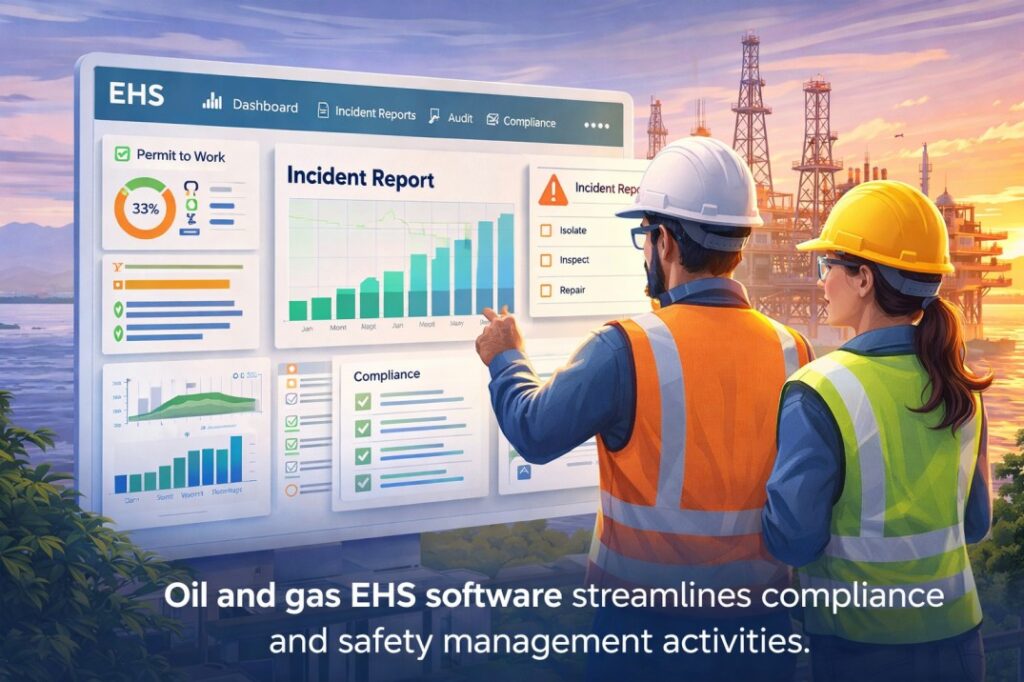
The oil and gas industry operates in one of the most high-risk environments globally. From offshore rigs to refineries and pipelines, organizations must manage hazardous materials, heavy equipment, and strict regulatory requirements. In such a complex setting, relying on manual processes or disconnected systems can create delays, compliance gaps, and increased safety risks. This is where oil and gas EHS software becomes essential. Advanced platforms like EHS4Safety are helping organizations digitize safety operations, improve compliance, and enhance overall efficiency.
1. Improved Safety Management Across Operations
Ensuring worker safety remains a critical focus in oil and gas environments. With multiple teams operating simultaneously in high-risk zones, having instant access to safety data is crucial. Outdated paper-based systems often struggle to record and communicate incidents in real time, leading to delayed actions.
EHS4Safety enables
- Real-time incident reporting using mobile devices
- Instant alerts for unsafe conditions
- Centralized tracking of hazards and near misses
By digitizing safety workflows, organizations can respond quickly to risks and significantly reduce workplace incidents. This proactive approach strengthens overall safety performance.
2. Oil and Gas EHS Software for Compliance Management
Organizations in the oil and gas sector operate under strict safety and environmental laws that require consistent monitoring and accurate documentation. Handling these requirements through manual processes can slow down operations and increase the risk of mistakes.
By using oil and gas EHS software solutions, companies can:
- Digitally monitor compliance activities in real time
- Store and manage safety records in a structured format
- Prepare audit reports quickly with minimal effort
EHS4Safety makes compliance easier by bringing all critical information into a single digital platform. This allows safety teams to access records instantly during inspections and maintain continuous compliance, helping reduce the risk of fines and operational disruptions.
3. Efficient Permit to Work (PTW) Management
Permit to Work systems are essential for managing hazardous activities like confined space entry, hot work, and maintenance operations. However, traditional permit processes often result in inefficiencies due to manual handling and lack of coordination.
EHS4Safety provides a digital PTW system that:
- Automates permit approvals with multi-level workflows
- Offers real-time visibility of permit status
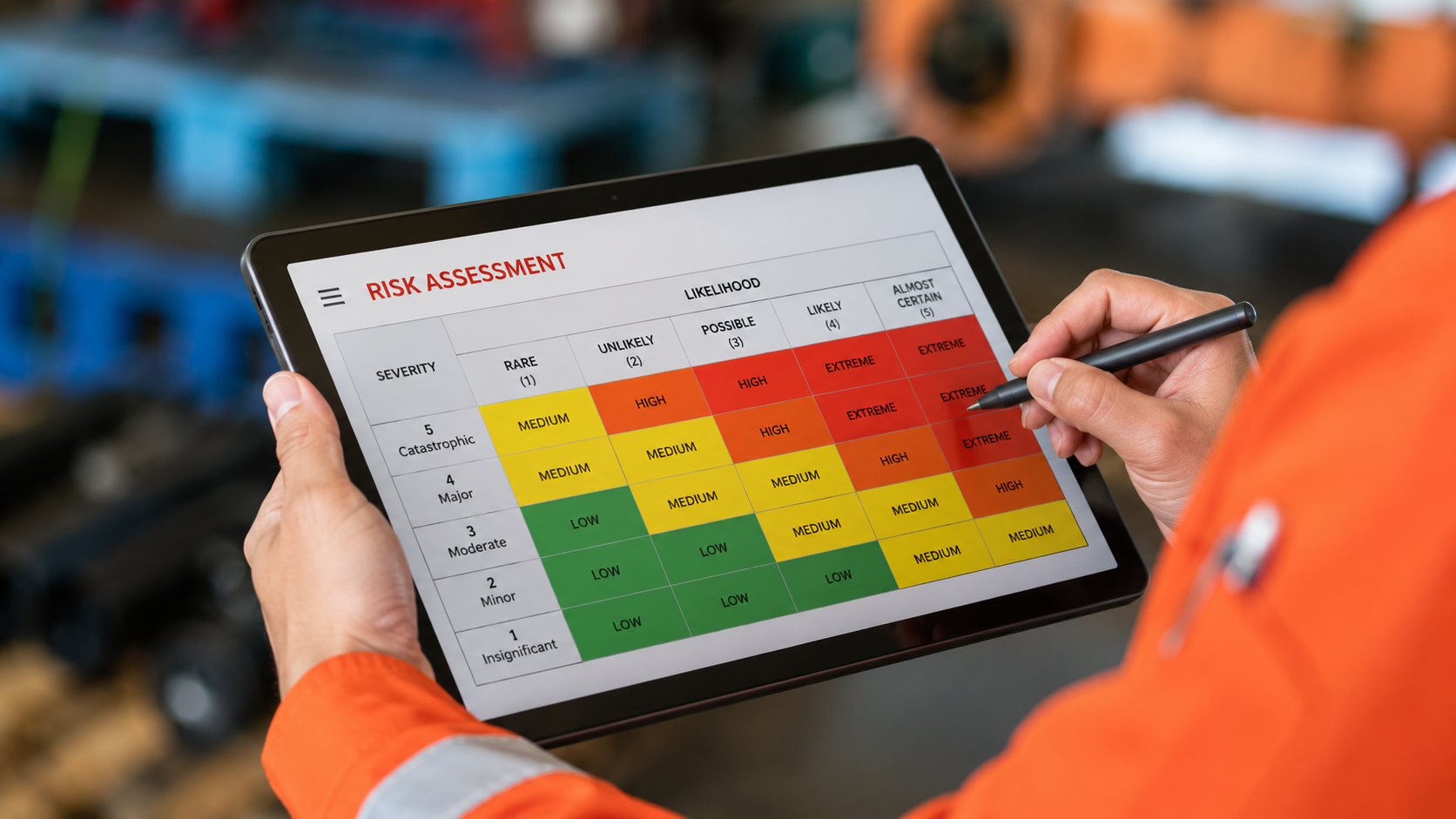
- Ensures proper risk assessment before task execution
This improves communication between teams and ensures that all safety protocols are followed before work begins, reducing operational risks.
4. Faster Incident Investigation and Root Cause Analysis
In the oil and gas industry, small incidents can quickly turn into serious safety issues if they are not analyzed and resolved in time. Conducting timely investigations and understanding the actual root cause is critical to avoiding repeated occurrences.
With EHS4Safety, organizations can:
- Centralized tracking of hazards and near misses
- Capture incident details in a structured digital format along with images
- Apply proven root cause analysis techniques such as Fishbone and FMEA
- Monitor corrective and preventive actions (CAPA) through automated workflows
This approach enables safety teams to detect recurring issues, address underlying risks, and strengthen overall safety performance through continuous improvement.
5. Oil and Gas EHS Software for Real-Time Analytics
Data plays a key role in improving safety performance. Traditional systems often fail to provide real-time insights, making it difficult to take timely decisions.
With oil and gas safety software, organizations benefit from:
- Live dashboards with safety KPIs
- Trend analysis for incidents and near misses
- AI-driven insights for risk prediction
EHS4Safety provides actionable data that helps management identify high-risk areas and implement effective safety strategies.
6. Enhanced Workforce Engagement and Accountability
Building a strong safety culture requires active involvement from every employee. When workers are encouraged to report hazards and take part in safety activities, organizations see better adherence to safety standards and procedures.
EHS4Safety helps organizations by:
- Involving teams in inspections, audits, and safety checks
- Clearly defining roles and responsibilities for safety tasks
- Allowing employees to quickly report incidents and unsafe conditions through mobile devices
This level of involvement promotes openness and responsibility, making safety a collective effort across all levels of the organization.
7. Centralized Document and Audit Management
Managing safety documents and audit records manually can be challenging, especially for large-scale operations.
EHS4Safety offers:
- Centralized document storage
- Automated audit scheduling
- Easy retrieval of historical records
This improves audit readiness and ensures that all documentation is organized and accessible when needed.
8. Cost Reduction and Operational Efficiency
Safety incidents, compliance failures, and inefficiencies can lead to significant financial losses. Implementing EHS Software for Oil and Gas Industry helps reduce these risks.
Key benefits include:
- Lower incident-related costs
- Reduced administrative workload
- Improved efficiency through automation
EHS4Safety helps organizations optimize operations while maintaining high safety standards, leading to better return on investment.
9. Scalability for Complex Operations
Oil and gas companies often operate across multiple locations, including offshore and onshore sites. Managing safety consistently across these locations requires a scalable solution.
EHS4Safety is designed to:
- Support multi-site operations
- Standardize safety processes
- Scale with business growth
This ensures consistency and efficiency in safety management across all operational areas.
Conclusion
The oil and gas industry requires a proactive and efficient approach to safety and compliance. Traditional systems are no longer sufficient to handle the growing complexity of operations.
By adopting oil and gas EHS software solutions like EHS4Safety, organizations can transform their safety processes. From real-time reporting to advanced analytics, the benefits are substantial.
EHS4Safety not only improves safety outcomes but also enhances operational efficiency, reduces costs, and ensures regulatory compliance. For companies aiming to stay competitive and maintain high safety standards, investing in a robust EHS solution is a strategic necessity.