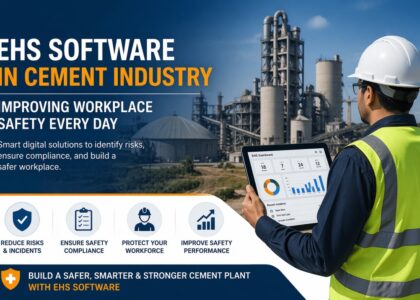
The EHS Software Chemical Industry solution is becoming essential as chemical companies operate in highly sensitive and risk-prone environments. Safety, compliance, and environmental responsibility are no longer optional—they are critical for business continuity.
From handling hazardous materials to managing complex chemical processes, even a small mistake can lead to serious incidents. Traditional methods like paper records and spreadsheets often lack real-time visibility and accuracy. As a result, many organizations are shifting to modern digital solutions like EHS4Safety to improve control and efficiency.
EHS Software Chemical Industry for High-Risk Operations
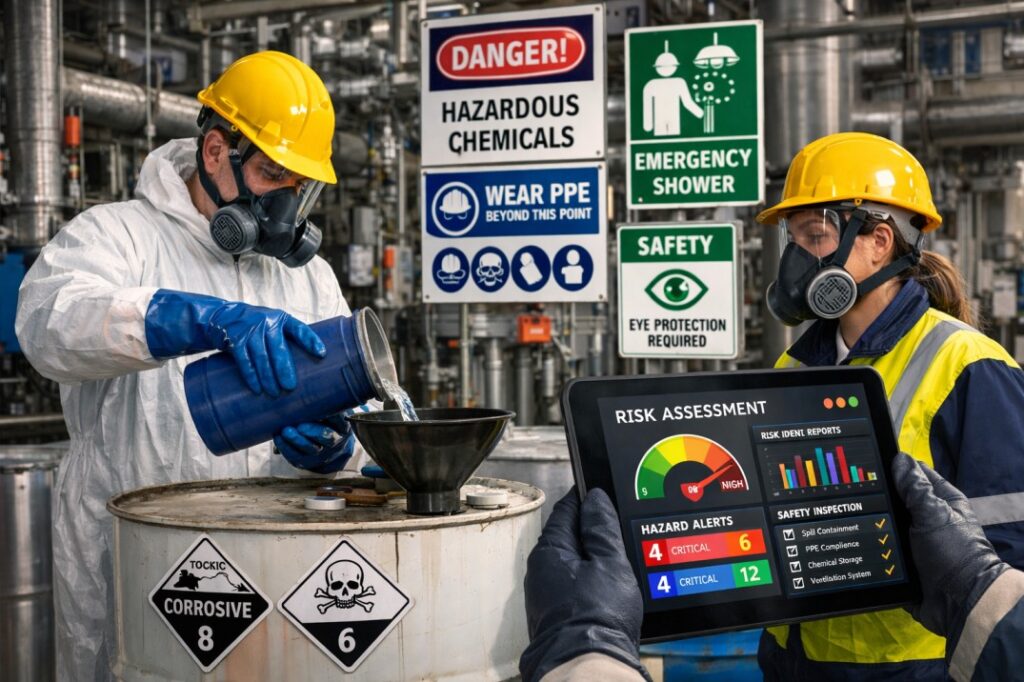
Chemical facilities deal with reactive substances, pressurized systems, and hazardous environments. Managing these risks manually can lead to gaps in safety controls.
An EHS management system enables organizations to:
- Systematically identify workplace hazards
- Perform structured risk evaluations
- Monitor control measures continuously
- Reduce dependency on manual tracking
By digitizing safety processes, companies gain better control over potential risks and can act before incidents occur.
Staying Ahead of Regulatory Requirements
Compliance in the chemical sector is not optional—it is mandatory and constantly evolving. Regulations such as OSHA and ISO standards require accurate documentation and timely reporting.
With EHS4Safety, companies can:
- Maintain centralized compliance records
- Receive automated reminders for key deadlines
- Generate audit-ready reports instantly
- Reduce the risk of penalties and non-compliance
This approach simplifies regulatory management and ensures that organizations are always prepared for inspections.
Faster Incident Reporting and Smarter Investigations
In many chemical plants, delays in reporting incidents can increase operational risk. Quick reporting and proper investigation are essential to prevent repeat occurrences.
EHS software improves this process by:
- Allowing employees to log incidents instantly using mobile devices
- Supporting evidence uploads such as images and videos
- Enabling detailed investigations to uncover underlying causes through structured analytical approaches
- Tracking corrective and preventive actions until closure
This ensures a proactive approach to safety rather than a reactive one.
Strengthening Environmental Performance
Environmental responsibility is a major concern for chemical companies. Monitoring emissions, waste, and resource consumption manually often leads to inaccuracies.
An EHS platform like EHS4Safety helps by:
- Tracking environmental parameters in real time
- Managing waste disposal processes effectively
- Supporting sustainability reporting
- Ensuring adherence to environmental standards
This not only improves compliance but also enhances the organization’s reputation and ESG performance.
Improving Workforce Safety and Competency
Employees are at the core of any safety program. In the chemical industry, proper training is essential to handle hazardous tasks safely.
EHS management software enables:
- Structured training programs and safety inductions
- Automated reminders for renewals and certifications
- Tracking of employee competency levels
- Better awareness of workplace hazards
This ensures that every employee is well-prepared and aligned with safety standards.
Digitizing Permit to Work Processes
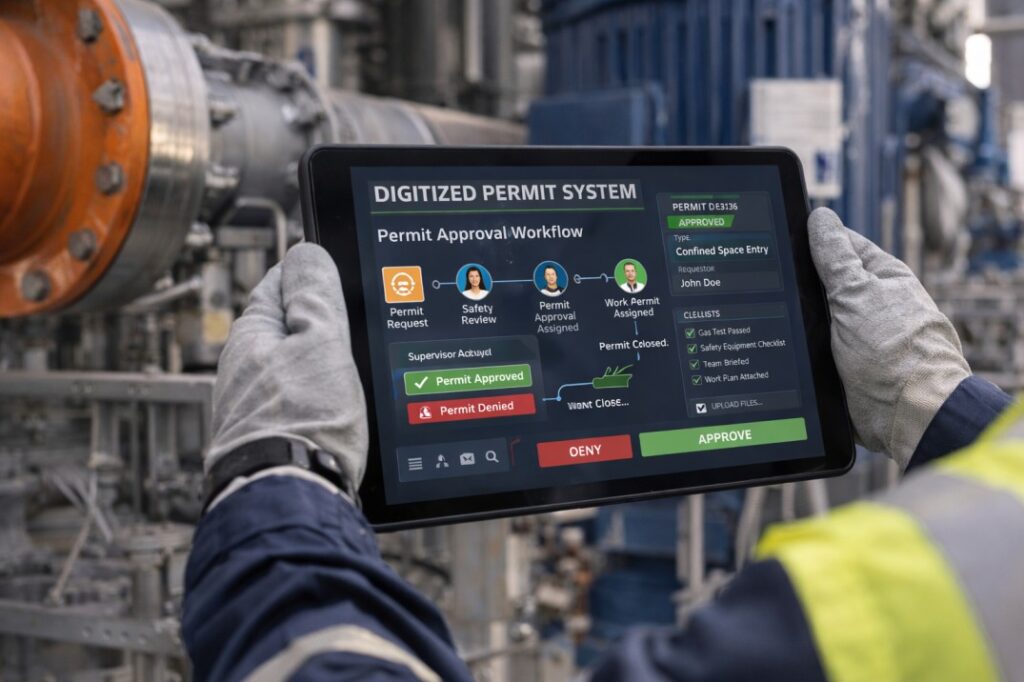
High-risk activities such as hot work, confined space entry, and maintenance tasks require strict authorization procedures. Manual permit systems are often slow and prone to errors.
With EHS4Safety’s digital permit solution, organizations can:
- Issue and approve permits through an online system
- Implement multi-level authorization workflows
- Monitor permit status in real time
This improves operational efficiency while maintaining strict safety control.
Enabling Data-Driven Safety Decisions
One of the biggest advantages of EHS software is access to actionable insights. Instead of relying on assumptions, companies can use real data to improve safety outcomes.
Key benefits include:
- Monitoring important safety metrics and KPIs
- Identifying recurring issues and trends
- Improving decision-making with data-backed insights
- Enhancing overall safety performance
This helps organizations move toward a predictive safety culture.
Centralized Visibility and Control
Managing safety across multiple departments or sites can be challenging without a unified system.
EHS software provides:
- A centralized dashboard for all safety activities
- Easy access to documents and reports
- Improved coordination between teams
- Faster response during emergencies
With EHS4Safety, organizations gain complete visibility and control over their safety ecosystem.
Conclusion
The EHS Software Chemical Industry approach is no longer optional—it is essential for modern chemical companies. Traditional safety systems cannot meet today’s demands for speed, accuracy, and compliance.
By adopting EHS4Safety, organizations can:
- Improve workplace safety
- Ensure regulatory compliance
- Reduce operational risks
- Enhance environmental performance
Most importantly, they can protect their workforce and build a safer, more sustainable future.