The aerospace industry operates in one of the most high-risk environments in the world. From aircraft manufacturing to maintenance and operations, even a small safety lapse can lead to serious consequences. This is where EHS Software Aerospace solutions play a critical role.
Modern organizations are moving away from manual safety processes and adopting digital systems like EHS4Safety to improve compliance, reduce risks, and ensure a safer workplace.
Why Safety is Critical in the Aerospace Industry
Aerospace companies deal with complex machinery, hazardous materials, and strict regulatory requirements. Employees work in environments that involve:
- High-temperature operations
- Chemical exposure
- Heavy equipment handling
- Precision engineering tasks
Without a structured safety system, managing these risks becomes difficult. Traditional paper-based methods often lead to delays, errors, and lack of visibility.
What is EHS Software for Aerospace?
EHS (Environmental, Health, and Safety) software is a digital platform designed to manage workplace safety, compliance, and environmental responsibilities.
In the aerospace sector, it helps organizations:
- Track incidents and near misses
- Conduct safety audits and inspections
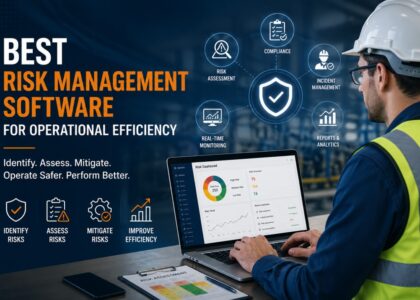
- Manage risk assessments
- Ensure regulatory compliance
- Monitor corrective and preventive actions
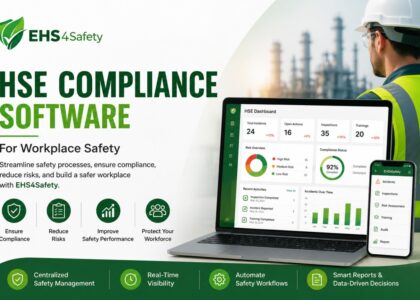
Solutions like EHS4Safety bring all safety processes into one centralized system, making it easier to manage and control operations.
Key Features of Aerospace EHS Software
1. Incident Management
EHS software allows employees to report incidents in real time using mobile devices. This ensures quick response and proper documentation. Incident Management Software enables organizations to respond quickly while maintaining accurate and structured records.
With features like root cause analysis (such as Fishbone or FMEA), organizations can identify the actual reason behind incidents and prevent recurrence.
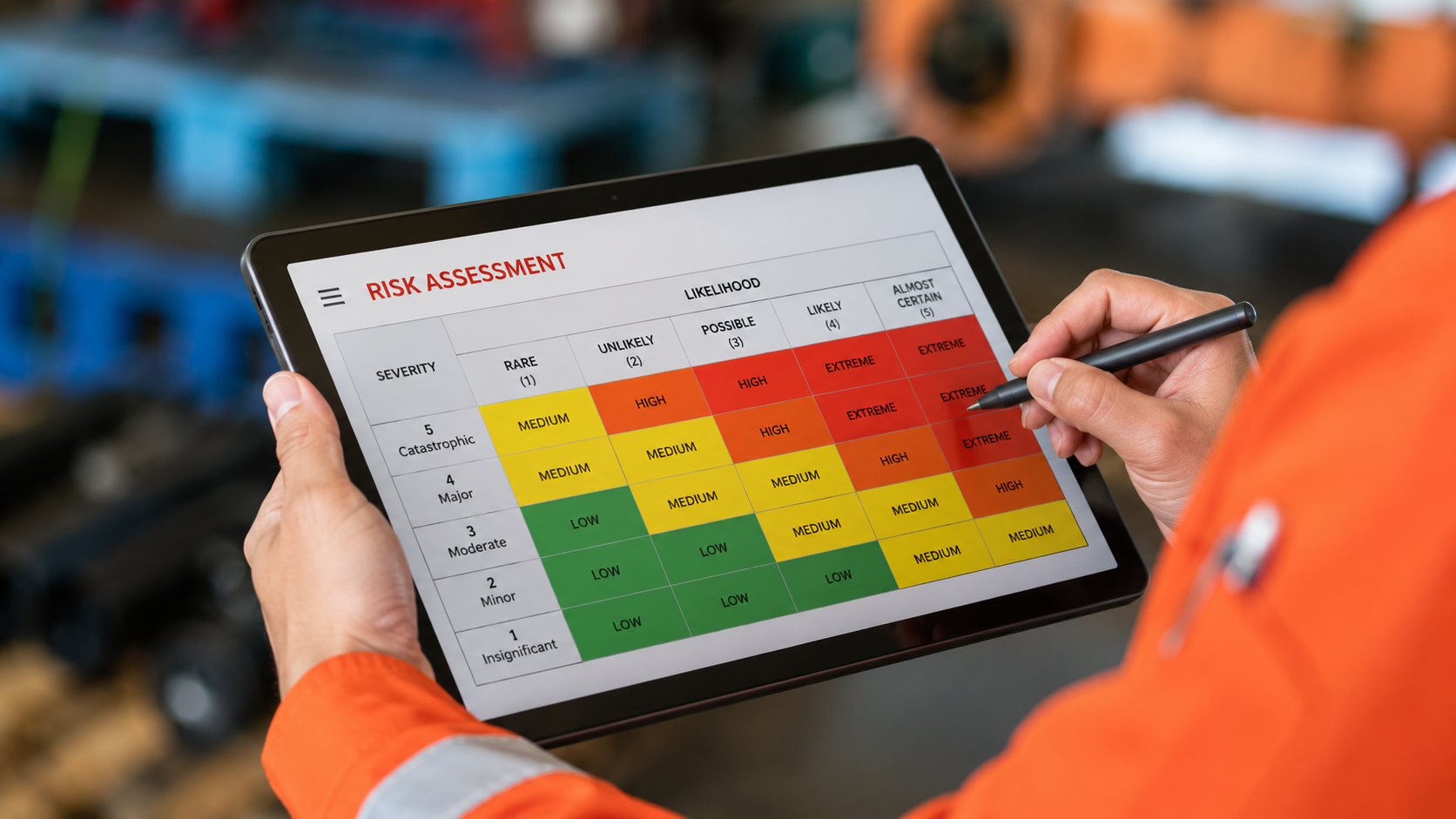
2. Risk Assessment and Hazard Identification
Aerospace operations involve multiple risks. EHS software helps identify hazards, evaluate risks, and implement control measures before accidents occur.
This proactive approach significantly reduces workplace incidents.
3. Safety Audits and Inspections
Regular inspections are essential in aerospace. EHS software automates audit scheduling, checklist creation, and reporting.
Managers get real-time insights into safety performance, helping them take immediate action.
4. Compliance Management
The aerospace industry must comply with strict safety regulations and standards. EHS software ensures all compliance requirements are tracked and documented properly.
It also helps generate reports required for audits and regulatory bodies.
5. Corrective and Preventive Actions (CAPA)
EHS software streamlines the entire CAPA process by automatically assigning actions, tracking progress, and sending reminders to responsible teams.
By ensuring every issue is properly addressed and monitored, organizations can eliminate recurring risks and maintain a higher level of workplace safety.
6. Mobile Accessibility
Modern EHS solutions like EHS4Safety offer mobile access, enabling employees to report issues, upload images, and complete inspections from anywhere on-site.
This improves reporting speed and accuracy.
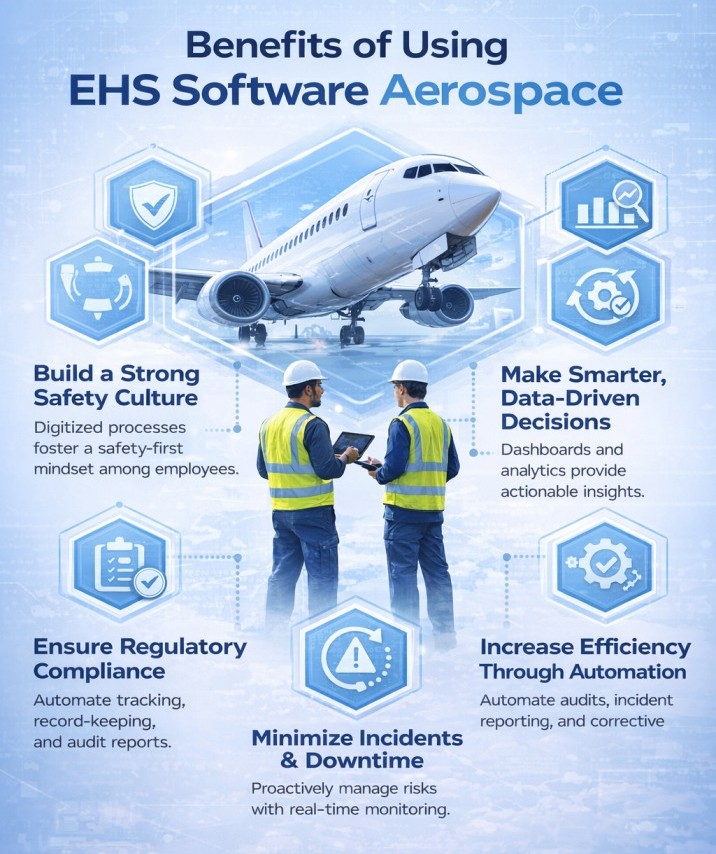
Benefits of Using EHS Software Aerospace
Build a Strong Safety Culture
A digital EHS system transforms how employees interact with safety. When reporting is simple, transparent, and accessible, workers are more likely to actively participate in safety programs.
With EHS Software Aerospace, organizations create a culture where safety becomes a daily habit—not just a compliance requirement.
Minimize Incidents and Operational Downtime
In aerospace, even a minor incident can lead to major disruptions. EHS software enables real-time monitoring, instant reporting, and proactive risk control, helping companies identify hazards before they escalate.
This reduces workplace accidents and prevents costly production delays.
Make Smarter, Data-Driven Decisions
Modern EHS platforms provide advanced dashboards, analytics, and performance insights. Instead of relying on guesswork, management teams can:
- Identify recurring safety issues
- Track KPIs like incident rates
- Improve long-term safety strategies
Better data leads to better decisions—and safer operations.
Ensure Regulatory Compliance with Confidence
The aerospace industry is governed by strict safety and environmental regulations. Managing compliance manually is risky and time-consuming.
EHS software simplifies this by:
- Automating compliance tracking
- Maintaining accurate digital records
- Generating audit-ready reports instantly
This helps avoid penalties, legal risks, and reputational damage.
Increase Efficiency Through Automation
Manual processes slow down safety management. EHS software eliminates paperwork and automates workflows such as:
- Incident reporting
- Audit scheduling
- Corrective action tracking
This allows teams to focus more on prevention and less on administration.
Why Choose EHS4Safety for Aerospace?
EHS4Safety is built to handle the complex and high-risk nature of aerospace operations. It combines powerful features with ease of use, helping organizations digitize safety without complexity.
Key Advantages of EHS4Safety:
- Intuitive and user-friendly interface
- Fully customizable modules based on your workflow
- Real-time dashboards for instant visibility
- AI-driven incident analysis for root cause identification
- Scalable cloud platform for multi-location operations
With EHS4Safety, companies gain full control over their safety processes while improving visibility, accountability, and performance.
Conclusion
In the aerospace sector, safety is not optional—it is critical to success. Traditional safety management methods can no longer keep up with today’s operational complexity and compliance demands.
Adopting a modern EHS Software Aerospace solution like EHS4Safety enables organizations to move from reactive safety management to a proactive, data-driven approach.
The result is a safer workforce, improved compliance, reduced risks, and stronger operational performance—giving aerospace companies a clear competitive advantage.