Introduction
Ensuring workplace safety in hazardous industries like construction, oil & gas, and manufacturing is a top priority. Tasks involving high-risk operations demand structured oversight, proper authorization, and strict compliance with safety protocols. A digital work permit system plays a vital role in this process by enabling organizations to streamline permit approvals, enforce safety checks, and maintain accurate records—all in real-time. Moving from paper-based permits to a digital system helps companies minimize delays, improve transparency, and strengthen their overall safety culture.
What is a Digital Work Permit System?
A digital work permit system is a software-based solution designed to authorize, track, and monitor high-risk activities performed by employees or contractors. Unlike traditional paper-based permits, digital systems offer real-time tracking, centralized control, and multi-layered approvals.
These systems ensure that safety protocols—such as Lockout/Tagout (LOTO), risk assessments (HIRA), and post-job inspections—are followed before, during, and after task execution.
Industries Benefiting from Digital Work Permit System
Many sectors benefit from digitizing their permit-to-work process:
Construction: Tasks involving working at elevated levels, digging operations, and activities that produce heat or sparks are considered high-risk and require strict safety permits.
Oil & Gas: Confined space entry, electrical isolation, flammable environments.
Cement & Paper: Mechanical repairs, maintenance, and confined space tasks.
Automotive: Scheduled maintenance and machinery upgrades.
Aerospace & Defense: High-risk, precision work requiring strict safety compliance.
Key Benefits of Implementing a Digital Work Permit System
Faster Approvals
Digital permits can be reviewed and approved instantly by authorized personnel through desktop or mobile devices—reducing downtime significantly.
Centralized Record Management
All permit data is stored securely in the cloud or on-premises systems, making it easy to retrieve records for up to 3 years or more for compliance audits.
Enhanced Safety Compliance
Mandatory safety checklists and automated LOTO instructions ensure no step is skipped during hazardous work.
Data-Driven Insights
Dashboards and analytics help track trends, monitor safety KPIs, and identify recurring hazards across multiple locations.
Multi-Location Management
Organizations with multiple facilities can enforce uniform safety protocols using one centralized system.
Challenges of Traditional Work Permit System Processes
Manual or paper-based permits come with several limitations:
Delayed Approvals: Signatures and reviews can take hours or even days.
Risk of Record Loss: Physical documents are prone to being lost, misplaced, or damaged over time, making long-term tracking difficult.
Lack of Real-Time Monitoring: Supervisors and safety teams have no immediate visibility into the status or progress of ongoing permits when using manual systems.
No Analytics: Generating safety trend reports is time-consuming and inaccurate.
A digital work permit system solves all these issues with real-time visibility and automation.

Types of Work Permits Covered Digitally
Hot Work Permit – For welding, cutting, or any activity involving fire.
Cold Work Permit – Mechanical jobs that don’t generate heat or sparks.
Confined Space Entry – Tanks, silos, pits, and vessels.
Electrical Work Permit – For tasks on energized or de-energized systems.
Excavation Permit – Required for activities such as digging, trenching, or any ground-breaking work that may pose safety risks.
Work at Height Permit – Ladders, scaffolding, or elevated platforms.
Integrating LOTO in the Permit Workflow
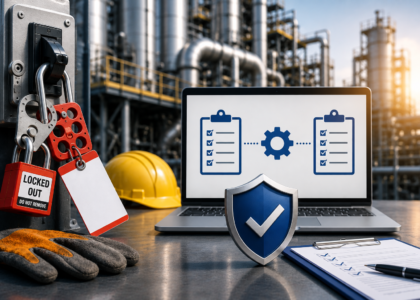
LOTO (Lockout/Tagout) procedures are embedded into digital permits. When isolation is required, the system ensures equipment is locked out and tagged to prevent accidental start-up during maintenance. This significantly lowers the chance of accidents or harm to workers.
HIRA: Risk Assessment Made Easy
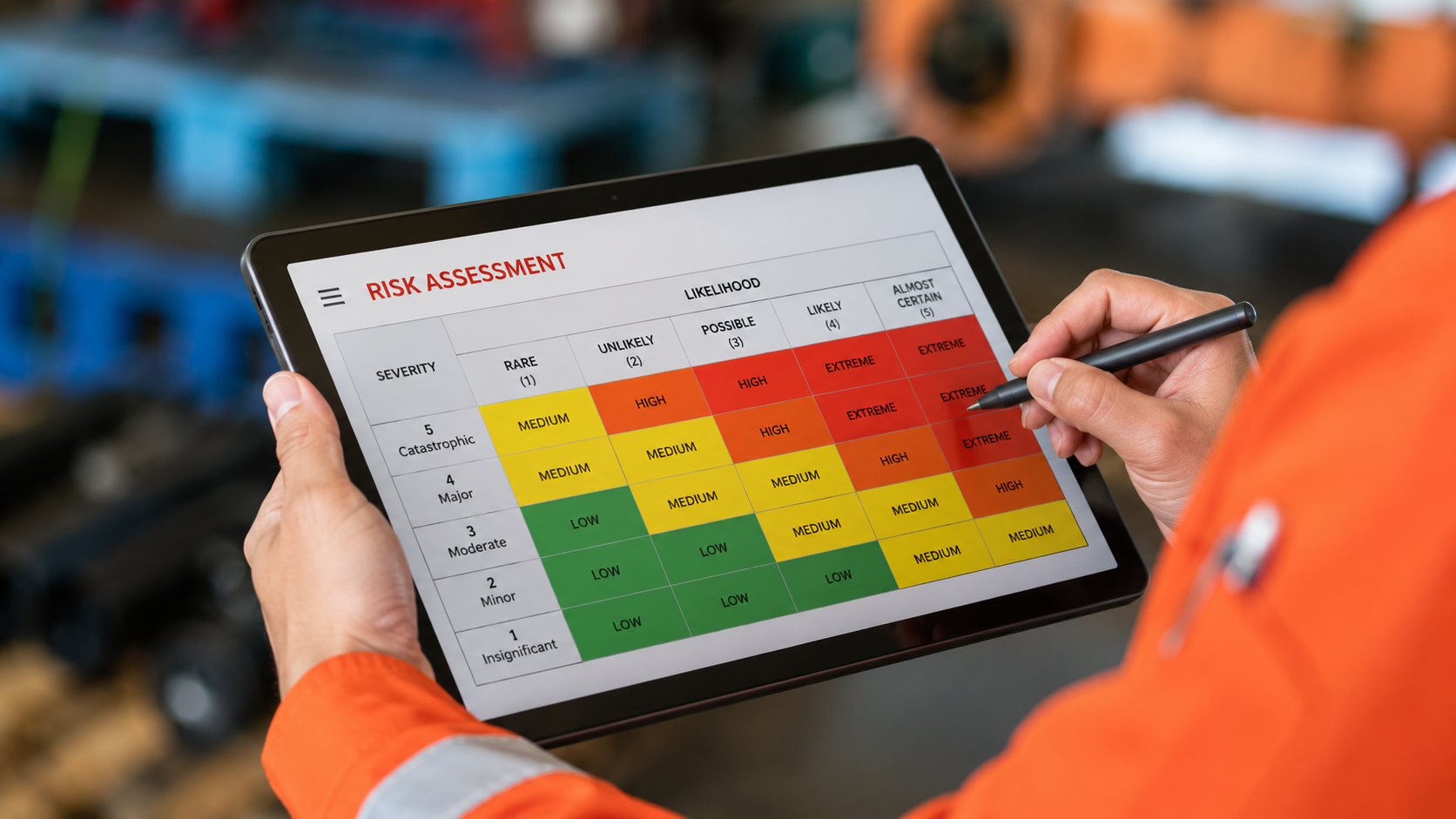
Digital systems guide permit users through Hazard Identification and Risk Assessment (HIRA). These steps help in evaluating and mitigating the risks associated with specific tasks. The system can intelligently recommend appropriate safety controls based on the risk details entered by the user.
Role-Based Workflow in a Digital Permit System
Each stakeholder has defined responsibilities:
Permit Issuer – Creates and approves the permit.
Permit Holder – Supervises the task execution.
Worker/Performer – Carries out the job as per permit instructions.
Safety Officer – Responsible for inspecting and confirming that all safety measures are in place both prior to starting the task and after its completion.
This structured approach ensures accountability and compliance at every level.
Post-Work Safety Checklist
Once the task is finished, a closing checklist is used to confirm that the work area has been safely restored and all safety measures have been addressed.
- All tools, materials, and debris are removed.
- Waste is cleared and disposed of properly.
- Power and utilities are restored.
- If work is incomplete, the area is barricaded or flagged.
Compliance and Recordkeeping
Maintaining work permit logs is essential for audits. A digital system ensures:
- 3+ years of storage for all permits.
- Detailed audit trails with timestamps and user actions.
- Regulatory reporting is simplified with automated summaries.
Conclusion
Transitioning to a digital work permit system helps your organization maintain a culture of safety, improve compliance, and reduce operational delays. Whether you’re managing a single facility or multiple plants, digital permits offer unmatched control, visibility, and peace of mind.