Introduction:
Reporting Near miss is a simple but powerful way to prevent workplace accidents. In this guide, you will learn exactly how to report near misses, why it matters, and how to make it fast and easy for everyone on the job site.
Why Reporting Near Misses Matters and How to Report Them at Work:
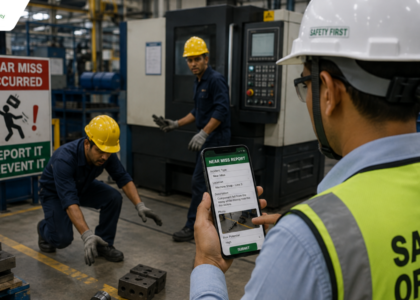
- A Near Miss QR Code is a quick and simple way for workers to report safety issues using their mobile phones.
- A QR code is placed in common work areas [like entrances, machinery zones, or notice boards].Workers scan the code with their phone camera.
- It opens a digital form where they can report a near miss something that almost caused harm or damage.
- No need for paper or logging into a computer it’s fast, easy, and can be done on the spot.
Why it helps:
- Makes reporting easier and faster
- Increases near miss reporting
- Helps fix issues before accidents happen
- Builds a strong safety culture

Root Cause and CAPA for Near Misses:
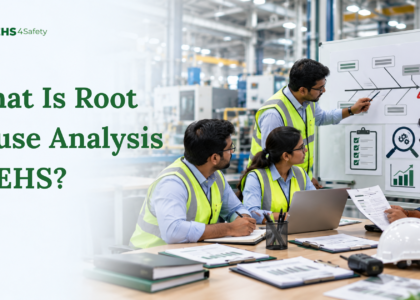
When a near miss happens an incident that almost caused harm we don’t just ask what happened, we ask why it happened. Understanding how to report near misses in the workplace is the first step toward uncovering root causes and preventing future incidents.
It helps safety teams:
- Deeply identify into the issue
- Find out the real reason behind the near miss
- Avoid just fixing symptoms
Example:
If a worker almost slips on a wet floor, the root cause may not just be the water it could be poor housekeeping or no wet floor sign.
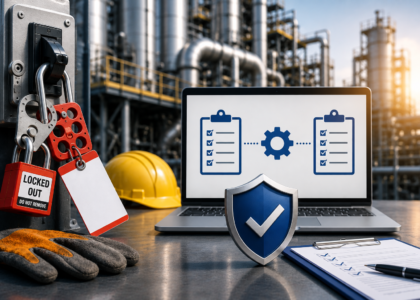
Corrective and Preventive Actions (CAPA): Once the root cause is known, CAPA helps stop it from happening again.
Corrective Action : Fix the current problem .E.g, Clean the floor and place a warning sign.
Preventive Action : Stop it from happening in the future. E.g, Training staff on cleaning procedures and install non-slip flooring.
Easy Tools and Steps to Report Near Misses at Work and Monitoring:
How to report near misses in the workplace has become easier with a cloud-based mobile app that lets workers report incidents anytime, anywhere using their phone or tablet. They can instantly record details on-site without using paper or returning to a computer
Why It Helps:
Instant Reporting: Capture near misses in real time from the worksite.
No Paperwork: Everything is saved digitally no lost reports.
Photos & Location: Add images or site location for better understanding.
Faster Action: Safety teams get instant alerts and can start investigations quickly.
Centralized Data: All reports are stored securely in the cloud and accessible anytime.
Real-time notifications are sent to the right people (like supervisors or safety officers) as soon as a near miss is reported.
How to Report Near Misses at Work and Track Follow-Up Actions:
When a near miss is reported (something that almost caused an accident), it’s important to take steps to prevent it from happening again.
How It Works:
1. Identify the Problem:
A near miss is reported for example, a worker slips on an oily floor but doesn’t fall.
2. Create an Action Plan:
Safety team decides on what needs to be done like cleaning the floor, placing warning signs, or fixing a leak.
3. Assign Responsibilities:
Tasks are handed out to individuals with a set time to complete them.
4. Track Progress:
The system (or safety team) monitors whether each action is completed on time.
5. Verify and Close:
Once all actions are done, the issue is marked as resolved and reviewed to make sure the risk is removed.
How to Report Near Misses, Track Trends Monthly, and Take Action
1. Monitor Near Miss Reports Monthly
Each month, collect all near miss reports from across the workplace.
Track:
- Total number of near misses
- Most common types (e.g., slips, equipment issues, unsafe behaviour)
- Locations where they happen
- Time of day or shift
2. Identify Trends
Look at the data month by month to spot patterns:
- Are near misses increasing or decreasing
- Are they happening more in a specific area or shift
- Are the same issues repeating
3. Take Corrective Action Based on Trends
Once trends are clear, take steps to fix the root problems:
- Extra training for staff
- Equipment repairs or upgrades
- New safety signs or barriers
- Better housekeeping or lighting
4. Review & Improve
Track how things improve over the next month.If near misses reduce your actions are working.
Why Near Misses Are Critical Warning Signs:
A near miss is an event where something almost went wrong but luckily, no one was hurt.
Near Miss : Leading Indicator
That means it’s an early warning sign that something is unsafe.It gives you a chance to fix the problem before it leads to a serious injury or accident.
Example:
A worker stepped on a wet floor and nearly fell, but caught their balance. A near miss happened today Could be a serious injury tomorrow if nothing changes.
How AI Cameras Help Spot Near Miss Incidents:
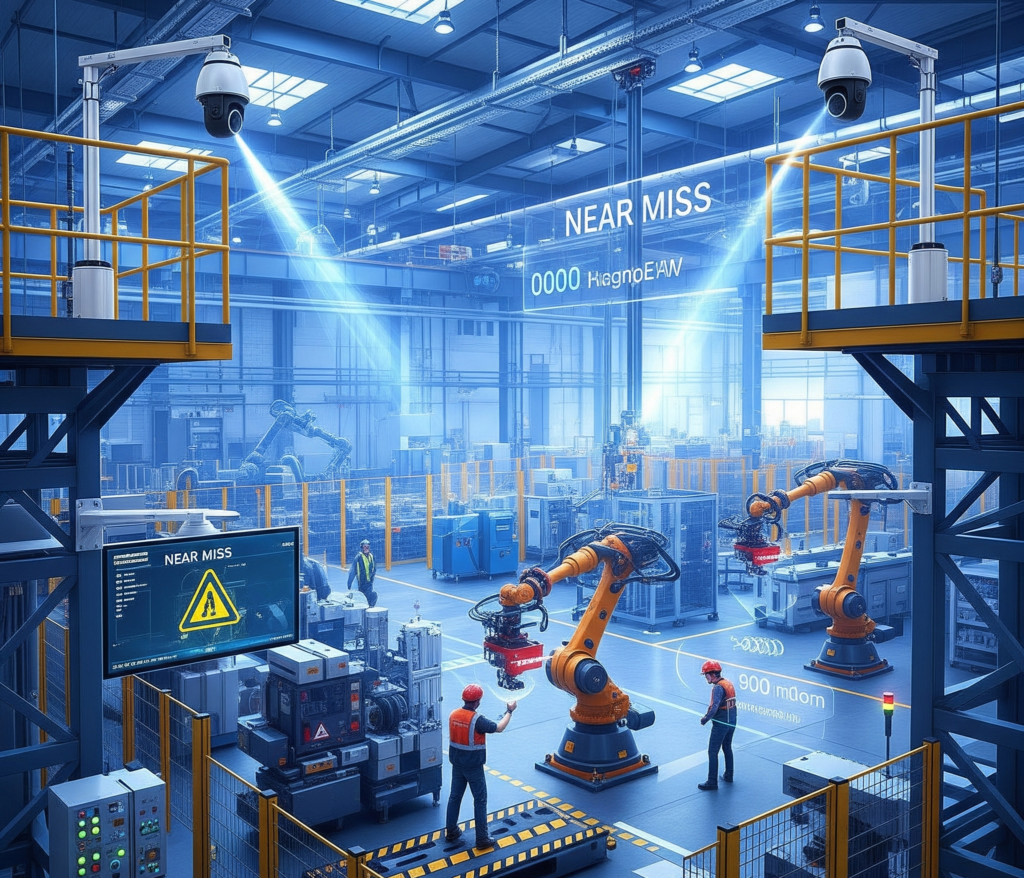
AI-powered cameras use smart technology to watch and analyze what’s happening in real time at the workplace just like a human, but faster and more accurately.
Here’s how it works:
Continuous Monitoring:
The camera watches areas like shop floors, warehouses, or construction sites 24/7.
Smart Detection:
AI is trained to recognize risky movements or unsafe behaviour like someone walking in a restricted area, a forklift coming too close to a worker, or someone slipping but not falling.
Instant Alerts:
If the AI sees something unsafe (a near miss), it immediately sends an alert to the safety team before an accident happens.
Automatic Recording:
The incident is recorded and saved. Teams can review the video to understand what went wrong and take action.
Data for Improvement:
Over time, the system learns and gives reports on where and when near misses happen most often helping teams improve safety plans. c
Conclusion:
How to report near misses in the workplace is a vital part of building a safer environment. Getting near miss reporting right helps prevent bigger accidents before they happen. When workers report small issues, safety teams can fix problems early. This not only improves workplace safety but also builds a strong safety culture.