Introduction:
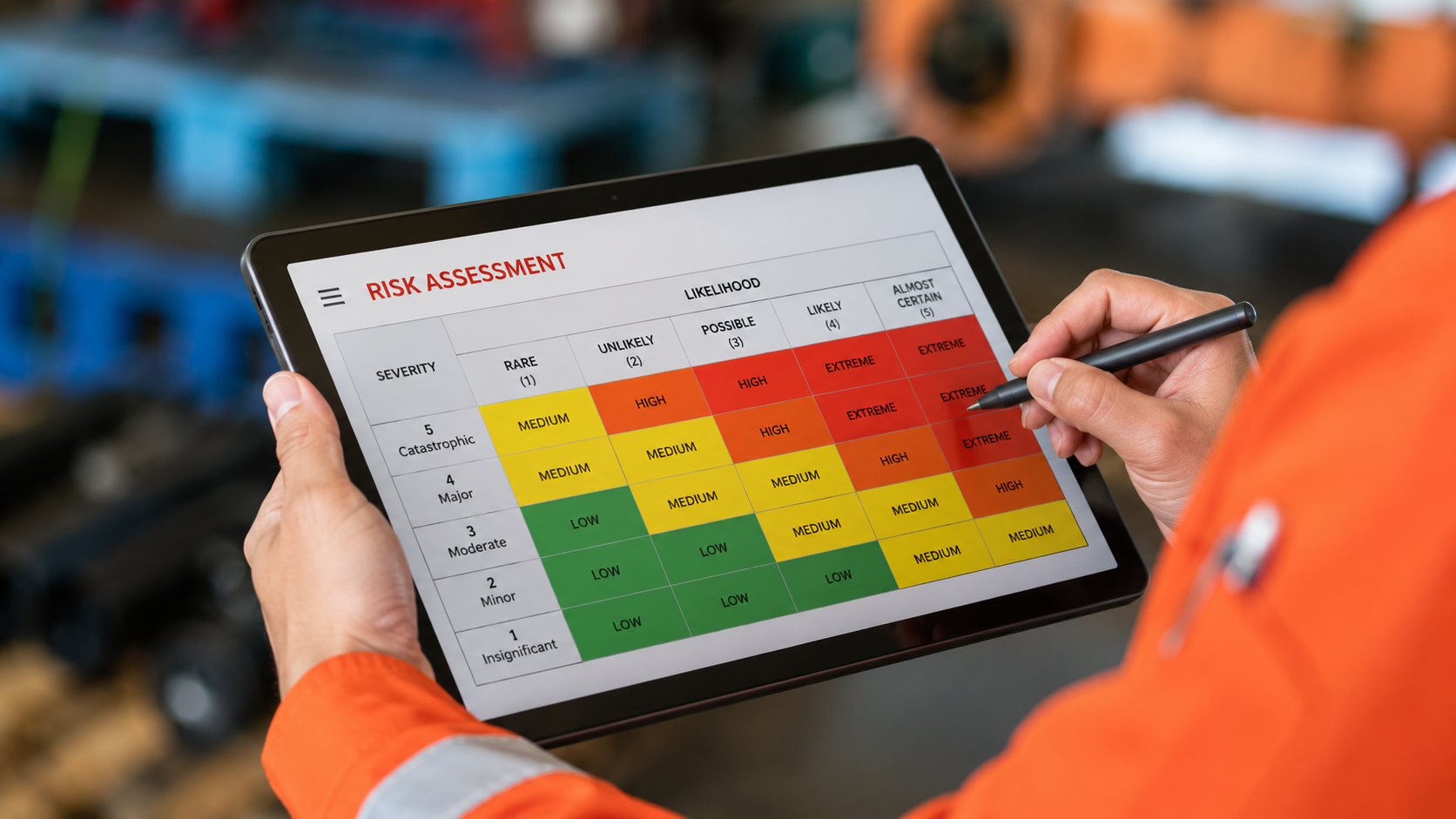
Understanding leading and lagging indicators helps safety managers track and improve performance effectively .Leading and lagging indicators help safety managers measure how well safety programs are performing, identify risks early, and make better decisions. From tracking incidents to monitoring training, the right KPIs give you a clear vision of your safety performance so you can protect people, the environment, and your business.
Five Safety KPIs That Help Prevent Incidents Before They Happen:
1. Recordable Incident Rate
Recordable Incident Rate is a commonly used safety metric that helps measure the number of serious work-related injuries or illnesses within a company. It helps safety managers and employers understand how often significant incidents are happening and whether safety is improving or getting worse.
2. Lost Time Incident Frequency
This KPI monitors how often injuries result in lost workdays. It highlights the seriousness of incidents and shows where stronger safety interventions might be needed.
3. Near-Miss Reporting Ratio
Tracking near-miss incidents means watching for accidents that almost happened. These help us spot hidden dangers in the workplace. If near misses increase, it’s a warning sign of possible future accidents. Fixing issues early can prevent serious injuries later.
4. Safety Training Rate
This number shows how many employees finished their required safety training. It helps make sure everyone knows how to work safely and follow the rules.When more employees complete safety training, the workplace becomes safer for everyone. It also shows that the company cares about protecting its workers.
5. Hazard Resolution
This metric shows how many safety problems have been fixed after being reported.When more issues are solved, it means the company is taking quick action to keep the workplace safe.
How to Track Leading and Lagging Indicators Effectively:
1. Set Clear Safety KPIs
Choose the most important KPIs for your workplace, such as incident rate, training completion, or near-miss reports.These KPIs should include a mix of leading and lagging indicators to provide a complete view of safety performance.
2. Collect and Record Data Regularly
Use safety reports, inspections, and training logs to gather accurate data. Digital tools or spreadsheets help keep it organized.
3. Monitor Trends Over Time
Track data on a regular schedule (weekly, monthly, quarterly) to catch trends early.Use visual tools like dashboards or charts to make trends easy to see and understand for the team.
4. Take Action and Improve
Use insights from KPIs to make changes in safety procedures, training, or communication.Involve your team in safety improvements by sharing KPI results and encouraging feedback or suggestions.
Leading and Lagging Indicators: Key Differences in Safety KPIs:
| Aspect | Leading Indicators | Lagging Indicators |
|---|---|---|
| Definition | Predict future safety performance | Measure past safety performance |
| Focus | Proactive – helps prevent incidents | Reactive – records what has already happened |
| Example Metrics | Safety training completion, near-miss reports, audits | Total injuries, lost time incidents, fatalities |
| Usefulness | Allows you to spot and address hazards before they cause incidents | Helps analyze incidents and improve long-term safety |
| Goal | Internal Reduce the chance of accidents | Learn from past accidents to prevent recurrence |
| Training Sensitivity | Tracked and acted upon frequently to maintain safety awareness | Tracked after incidents occur, often part of compliance review |
Conclusion:
Tracking the right Environmental Health and Safety (EHS) KPIs helps safety managers spot risks early, improve safety programs, and protect workers. By focusing on key metrics like incident rates, training completion, hazard resolution, and both leading and lagging indicators, companies can create a safer, more efficient workplace, companies can create a safer, more efficient workplace